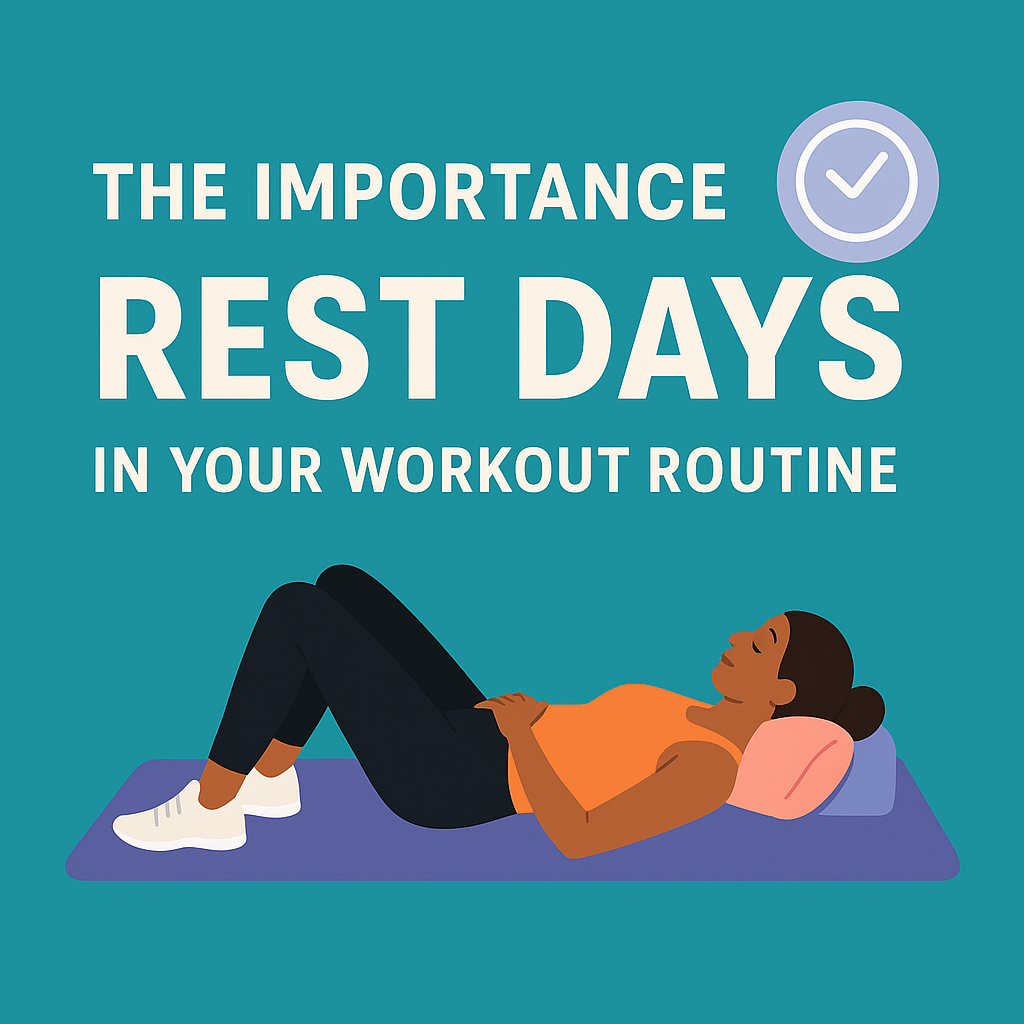
When you’re working hard toward your fitness goals, it’s easy to think more is better. More cardio, more lifting, more movement. But here’s the truth: rest is just as important as the workouts themselves. In fact, without proper rest, your body can’t fully recover, rebuild, or perform at its best.
Let’s dive into why rest days are essential—and how they can actually help you get stronger, faster, and healthier.
1. Muscle Recovery and Growth
Every time you exercise—especially strength training—you create small tears in your muscle fibers. Rest days give your body time to repair those tears, which is how muscles grow stronger.
Without enough recovery, you risk slowing down progress, staying sore longer, and even losing strength over time.
2. Injury Prevention
Working out too much, without rest, increases your risk of overuse injuries, like shin splints, joint pain, or tendonitis. Your body needs time to heal, reset, and prepare for your next session.
Rest = protection from burnout, fatigue, and physical breakdown.
3. Improved Performance
Feeling slower, weaker, or unfocused in your workouts? It might not be a lack of effort—it could be a lack of rest. When your body is properly recovered, you’ll:
- Lift heavier
- Run faster
- Push harder
- Feel more motivated
Rest leads to better results—not laziness.
4. Better Sleep and Hormonal Balance
Intense training without rest can mess with your hormones. It raises cortisol (your stress hormone) and decreases the hormones that support recovery and muscle repair.
Rest days help restore hormonal balance, improve sleep quality, and reduce stress—three key factors in weight loss and strength gains.
5. Mental Health Reset
Let’s not forget the mental side of fitness. Constant training without rest can lead to burnout, guilt, or even resentment toward your workouts.
Taking a rest day can refresh your mind, boost motivation, and help you reconnect with why you started your fitness journey in the first place.
How to Structure Rest Days
How many rest days do you need?
It depends on your fitness level and intensity, but here’s a general guideline:
- Beginners: 2–3 rest days/week
- Intermediate: 1–2 rest days/week
- High-intensity training: Active recovery days and at least one full rest day
Rest Day Options:
- Full Rest Day: No structured activity. Relax and recharge.
- Active Recovery: Light movement like walking, yoga, or gentle stretching to promote blood flow without taxing your body.
Rest days aren’t “skipping” your workout—they’re an essential part of it. Giving your body time to recover is what allows you to keep showing up, getting stronger, and feeling your best.
So the next time you think about pushing through, remember: rest isn’t a setback—it’s a setup for success.
Want help balancing your weekly workouts with the right rest days? Reach out, we would love to help you build a sustainable routine!